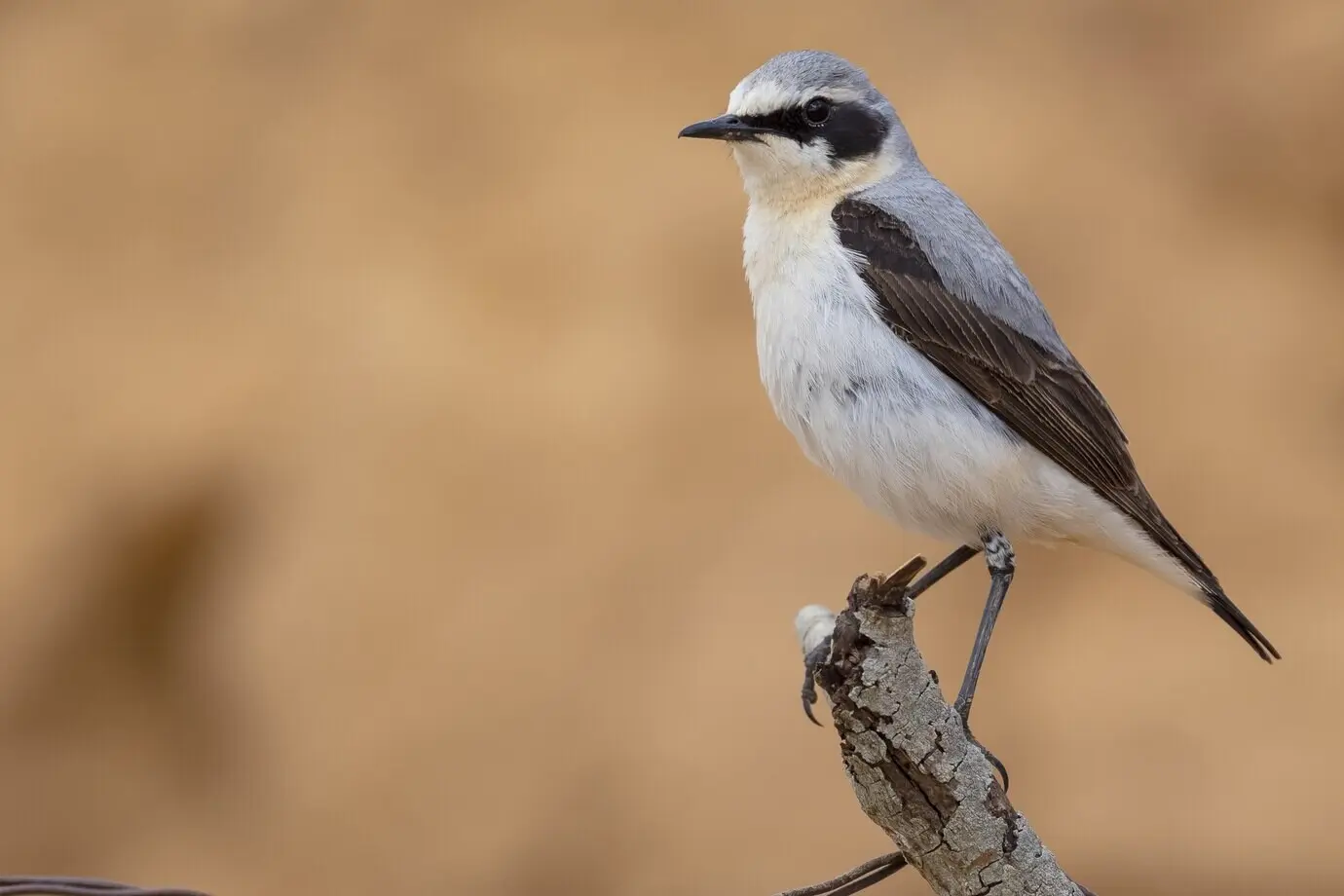
Walking Softly with Sound
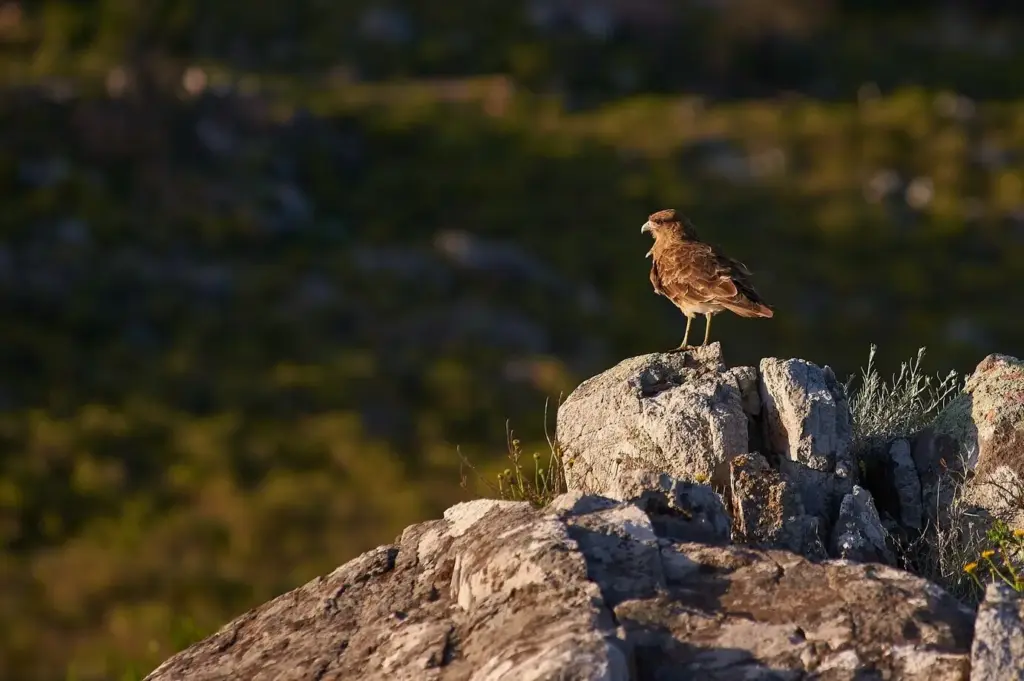
Today we focus on ethical guidelines for using playback and recorded calls on nature walks, honoring wildlife while satisfying curiosity. We will consider when to abstain entirely, how to minimize risk if you proceed, and graceful alternatives that foster memorable encounters. Expect practical checklists, stories from the trail, and a shared commitment to enjoy living voices without turning the forest into a stage for our devices.

Stress and Energy Budgets

Playback can shortcut careful foraging, forcing animals to investigate, defend, or flee, even when no rival exists. That lost time and heightened heart rate matter most for small birds in lean seasons. Limiting use protects energy budgets, preserves normal movement, and reduces the invisible costs we seldom notice.

Breeding Territories and Hidden Nests

During nesting windows, stimulated responses can expose routes to vulnerable sites or pull parents from eggs and chicks just long enough for cold, predators, or parasites to gain advantage. Exercising seasonal restraint, maintaining distance, and avoiding dense cover reduce disturbance risks when small lives depend on warmth and vigilance.

Acoustic Crowding and Masked Warnings

In busy soundscapes, added signals can mask real alarms and contact calls, confusing flockmates and dulling survival cues. Even subtle volumes accumulate when multiple groups experiment nearby. Preserving acoustic space helps wildlife hear one another, avoid danger, and keep their social networks functioning without our accidental interference.

A Responsible Decision Framework
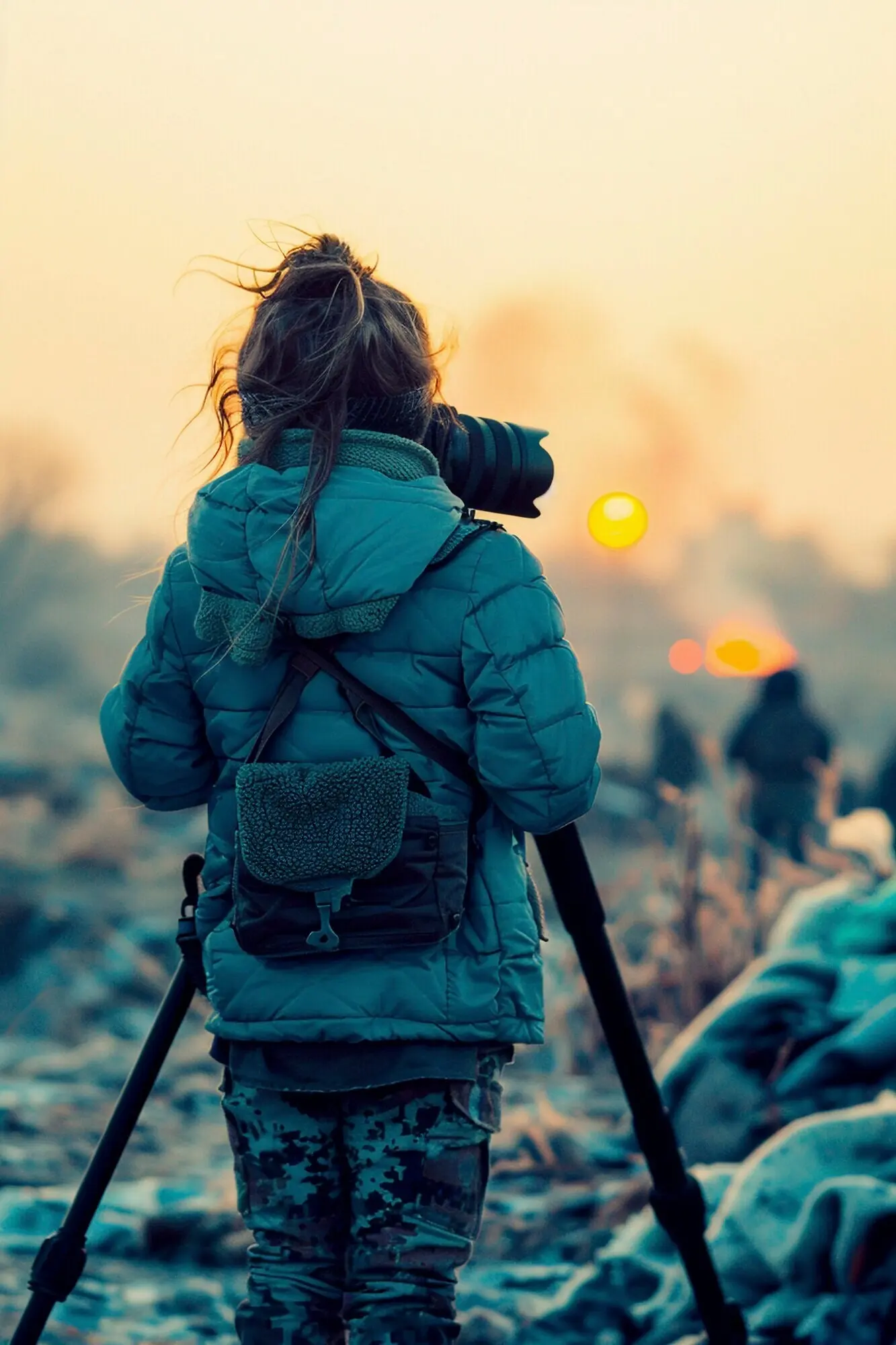
Instead of defaulting to play, begin with a thoughtful sequence that prioritizes animal welfare and context. Ask whether identification is already possible, whether young or sensitive species are present, and whether recent pressure occurred. Then, if proceeding at all, define strict limits and exit conditions before a single note is broadcast.

Before You Consider Any Playback

Gather observations quietly: behavior, light, wind, habitat edges, and natural vocal activity. Consult companions about comfort and experience, and review local guidelines. If the bird is feeding peacefully, singing naturally, or tending young, choose patience. Many identifications emerge with time, better angles, or listening a little longer.

Setting Limits That Protect Wildlife

If you must test a short call, plan conservative settings: very low volume, no more than a few seconds, and a single, widely separated attempt. Establish a hard stop if agitation appears, and leave the area to avoid repeated stimulation by other visitors following your example.

Reading the Scene in Real Time

Watch for telltales: raised crests, alarm chips, aggressive postures, tail flicks, or abrupt silence from companions. These small signals mean you are shaping behavior. Stop, lower devices, and give space. The memory of an undisturbed moment is always more rewarding than a stressed encounter.

Etiquette for Walk Leaders and Groups

Group dynamics magnify impact. Clear norms, gentle coaching, and transparent reasons prevent well-meaning participants from escalating sound pressure through enthusiasm. When leaders model silence, pace, and restraint, they turn curiosity into stewardship and help beginners understand that hearing a bird is different from prompting one to react.

Staying Within Laws and Community Standards
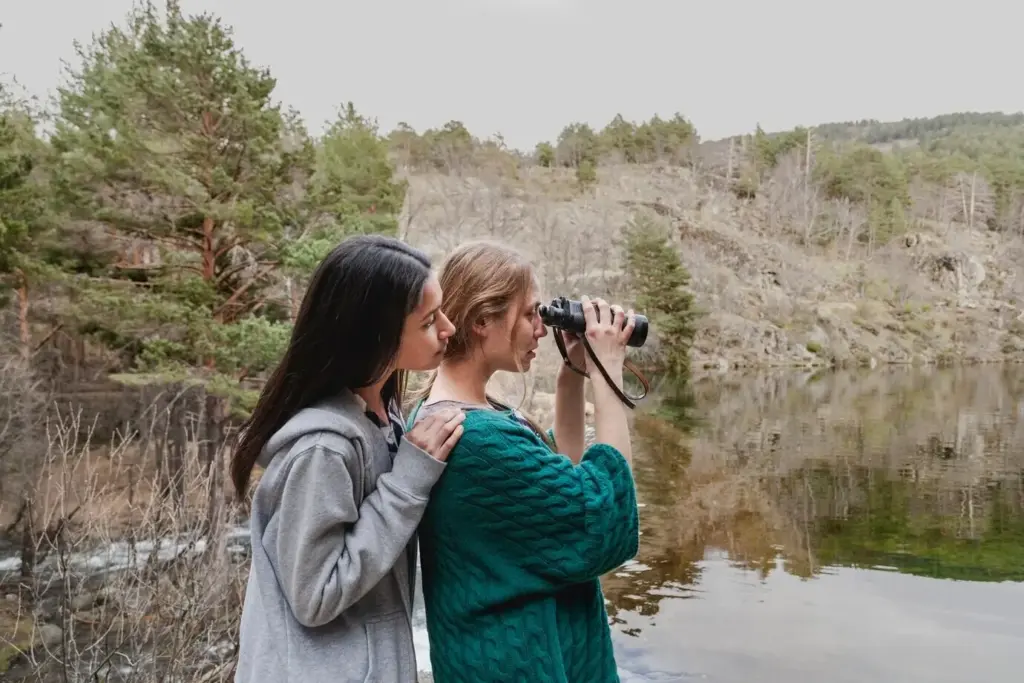
Rules vary by country, park, and season. Some areas prohibit artificial calls outright; others restrict their use around listed species, nesting colonies, or research sites. Knowing policies before you arrive protects wildlife and ensures your day ends with photographs and memories, not warnings or fines.

Choosing Devices With Restraint

Select compact speakers with limited maximum volume and clear on-device controls to avoid unintended spikes. Test at home, measure output, and mark safe settings with tape. Reliability and predictability matter more than power. Your attention belongs on animals and companions, not fiddling with louder equipment in fragile places.

Configuring Apps for Safety

Use volume limiters, timed stops, and short, realistic clips rather than exaggerated mixes. Rename files with warnings about sensitive seasons so you think twice. Keep devices offline to avoid disruptive alerts, and disable microphones to prevent accidental loopbacks that confuse birds already navigating complex acoustic environments.

Encounters Without Electronics

Fieldcraft That Invites Natural Curiosity

Blend into edges, move with steady rhythm, and pause where cover meets open feeding lanes. Let your posture shrink and your gaze soften. Animals often approach on their own timetable when we stop demanding interaction and simply offer safety, patience, and the promise of nonintrusive observation.

Slow Moments That Change Everything

A child watching a warbler glean silently for ten patient minutes experiences wonder that no sound clip can improve. Slowing down rewires expectations, turns checklists into stories, and makes rare sightings a bonus rather than the only measure of a day spent outside together.

Photography and Sound Recording Without Lures

Use longer lenses, blinds, and careful approach angles to document behavior as it happens naturally. Set recorders to capture dawn choruses from a distance, then leave them unattended. The best media teach humility by revealing how vibrant nature becomes when our interventions fade to silence.

Join the Conversation

Your choices shape shared habitats and community norms. Tell us how you navigate curiosity, identification challenges, and peer pressure when recordings seem tempting. Share resources, questions, and local rules we might highlight. Together we can protect living soundscapes while still learning, noticing, and growing as careful naturalists.

01

Your Practice, Your Promise

Post a short pledge describing when you choose silence, how you set limits, and what signs trigger a stop. Reading commitments from others normalizes restraint, turning it from a private hesitation into a proud, collective standard shaping healthier experiences for people and wildlife.

02

Stories from the Trail

Have you witnessed a situation where a recording backfired, or a moment where patience delivered better views? Describe what happened, how you felt, and what you tried next. These narratives help beginners understand consequences and discover practical, humane tactics they can carry forward.

03

Subscribe for Seasonal Guidance

Sign up for field notes that share migration calendars, breeding sensitivity windows, and low-impact practices matched to current conditions. You will receive checklists, nuanced case studies, and gentle reminders that encourage better habits, supporting a culture where curiosity thrives alongside attentive, ethical care for wild neighbors.

Murafuxapuriropupixa
Privacy Overview

This website uses cookies so that we can provide you with the best user experience possible. Cookie information is stored in your browser and performs functions such as recognising you when you return to our website and helping our team to understand which sections of the website you find most interesting and useful.