Walking Softly with Sound
Stress and Energy Budgets
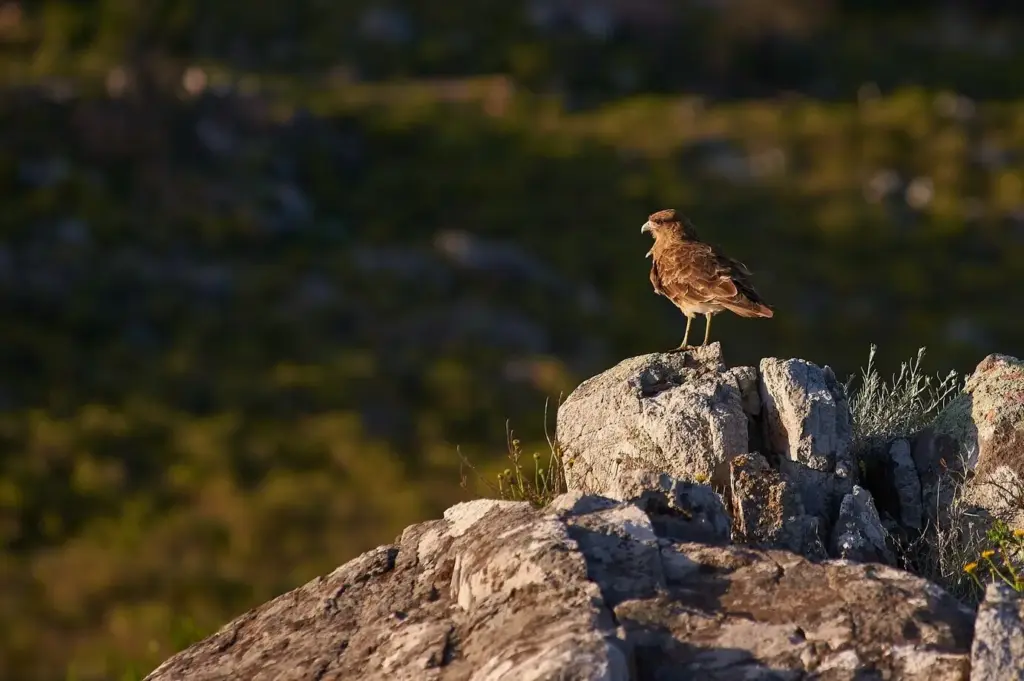
Playback can shortcut careful foraging, forcing animals to investigate, defend, or flee, even when no rival exists. That lost time and heightened heart rate matter most for small birds in lean seasons. Limiting use protects energy budgets, preserves normal movement, and reduces the invisible costs we seldom notice.
Breeding Territories and Hidden Nests
During nesting windows, stimulated responses can expose routes to vulnerable sites or pull parents from eggs and chicks just long enough for cold, predators, or parasites to gain advantage. Exercising seasonal restraint, maintaining distance, and avoiding dense cover reduce disturbance risks when small lives depend on warmth and vigilance.
Acoustic Crowding and Masked Warnings
In busy soundscapes, added signals can mask real alarms and contact calls, confusing flockmates and dulling survival cues. Even subtle volumes accumulate when multiple groups experiment nearby. Preserving acoustic space helps wildlife hear one another, avoid danger, and keep their social networks functioning without our accidental interference.
A Responsible Decision Framework
Before You Consider Any Playback
Setting Limits That Protect Wildlife
Reading the Scene in Real Time
Etiquette for Walk Leaders and Groups
Staying Within Laws and Community Standards
Choosing Devices With Restraint
Configuring Apps for Safety
Encounters Without Electronics
Fieldcraft That Invites Natural Curiosity
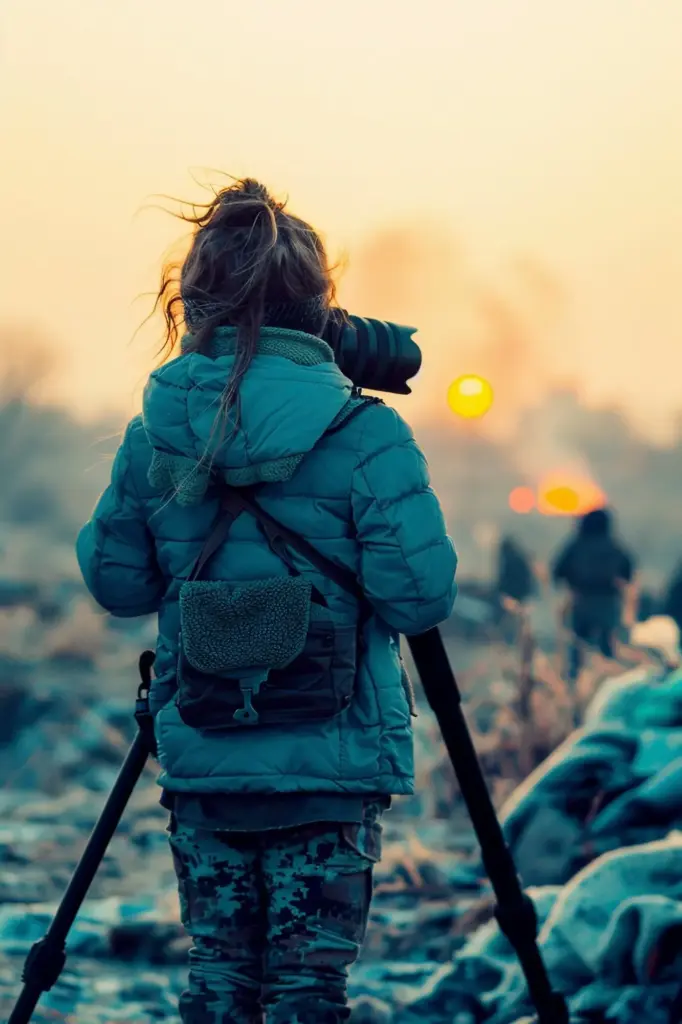
Blend into edges, move with steady rhythm, and pause where cover meets open feeding lanes. Let your posture shrink and your gaze soften. Animals often approach on their own timetable when we stop demanding interaction and simply offer safety, patience, and the promise of nonintrusive observation.
Slow Moments That Change Everything
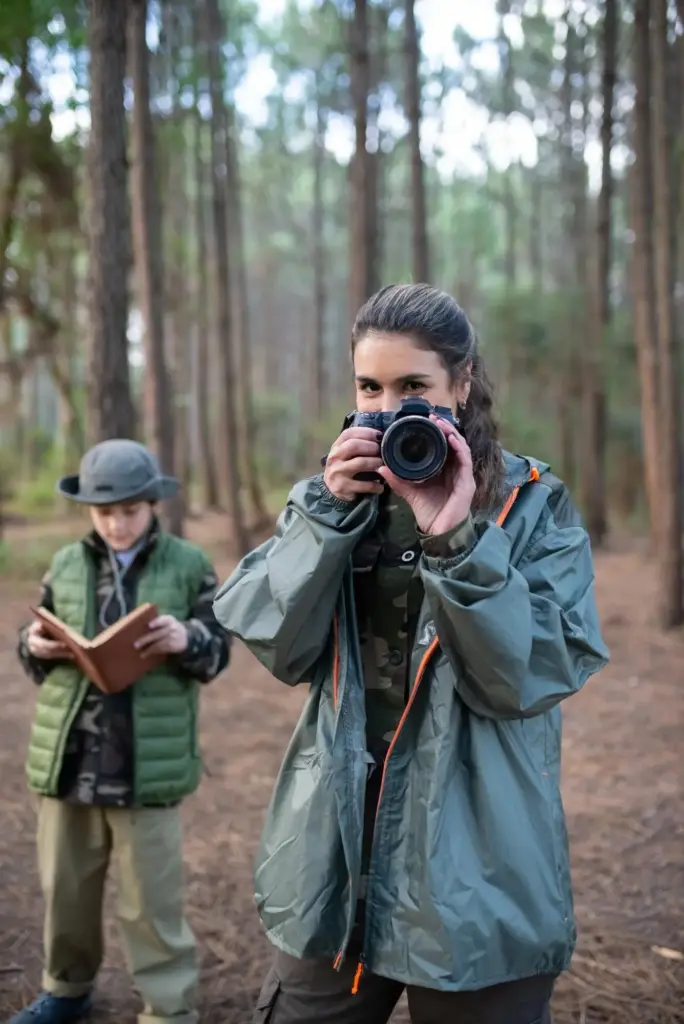
A child watching a warbler glean silently for ten patient minutes experiences wonder that no sound clip can improve. Slowing down rewires expectations, turns checklists into stories, and makes rare sightings a bonus rather than the only measure of a day spent outside together.
Photography and Sound Recording Without Lures
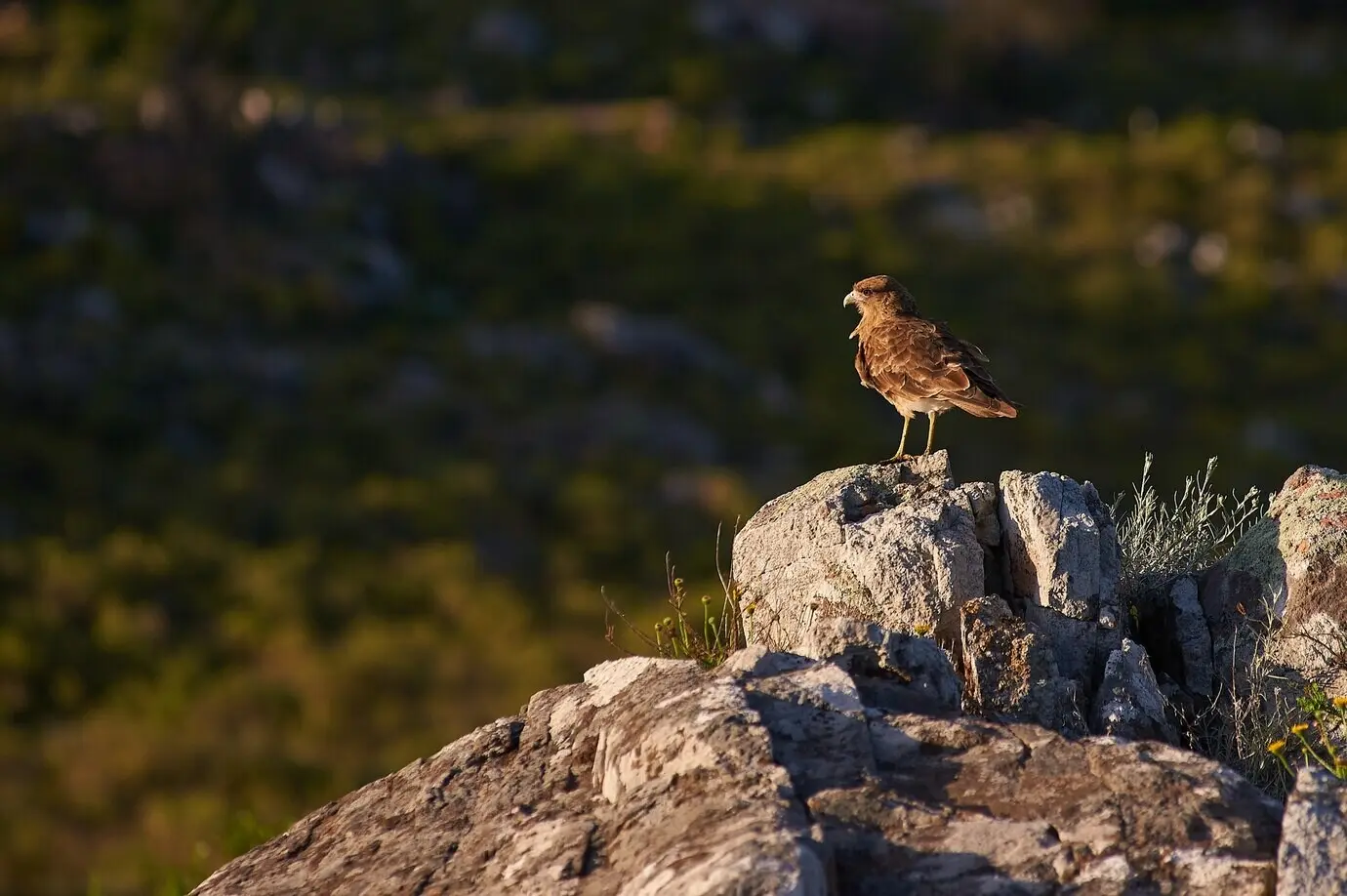
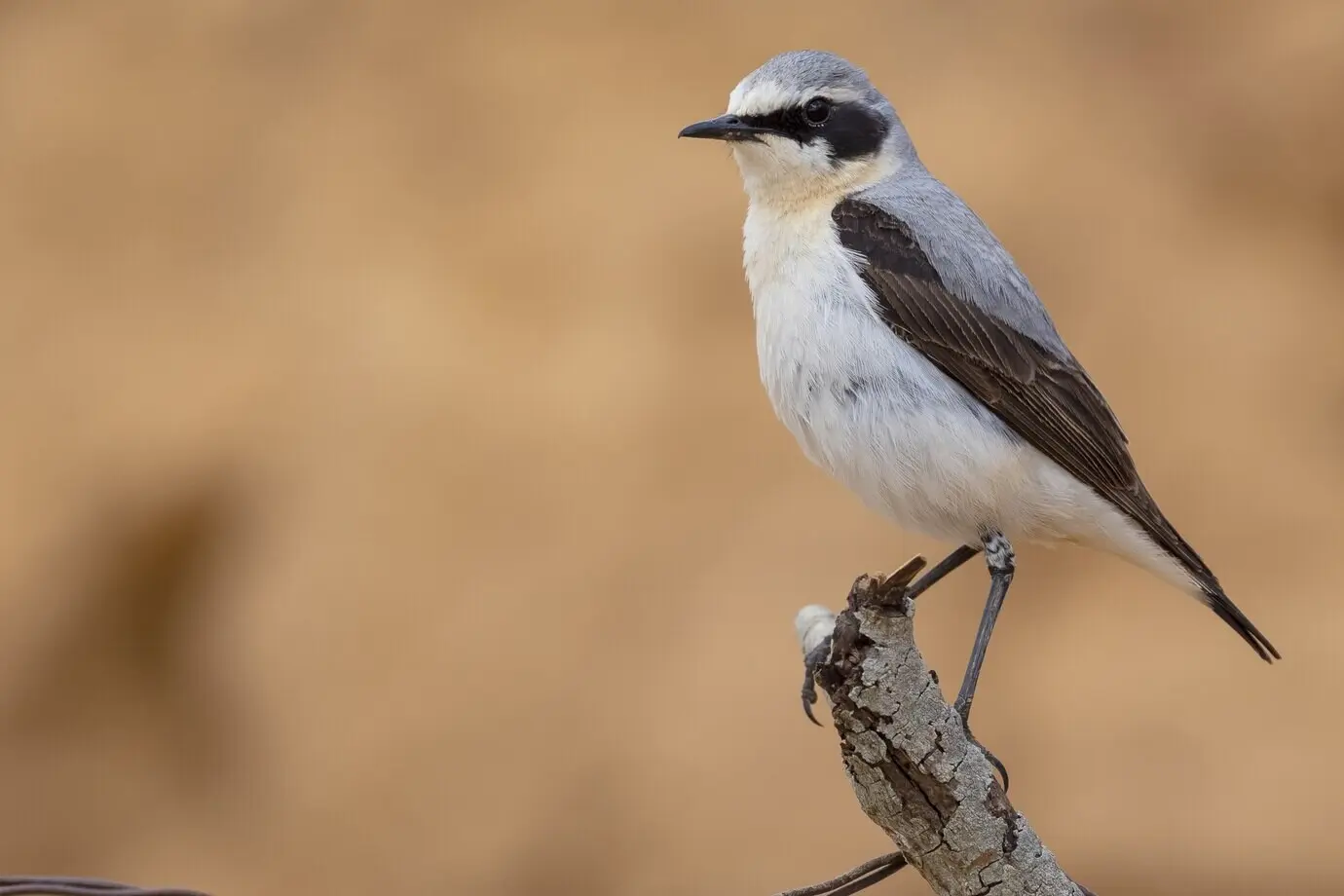
Use longer lenses, blinds, and careful approach angles to document behavior as it happens naturally. Set recorders to capture dawn choruses from a distance, then leave them unattended. The best media teach humility by revealing how vibrant nature becomes when our interventions fade to silence.
Join the Conversation
01
Your Practice, Your Promise
Post a short pledge describing when you choose silence, how you set limits, and what signs trigger a stop. Reading commitments from others normalizes restraint, turning it from a private hesitation into a proud, collective standard shaping healthier experiences for people and wildlife.
02
Stories from the Trail
Have you witnessed a situation where a recording backfired, or a moment where patience delivered better views? Describe what happened, how you felt, and what you tried next. These narratives help beginners understand consequences and discover practical, humane tactics they can carry forward.
03
Subscribe for Seasonal Guidance
Sign up for field notes that share migration calendars, breeding sensitivity windows, and low-impact practices matched to current conditions. You will receive checklists, nuanced case studies, and gentle reminders that encourage better habits, supporting a culture where curiosity thrives alongside attentive, ethical care for wild neighbors.
All Rights Reserved.