Hear the Forest: Designing Bird-Listening Journeys Everyone Can Enjoy

Today we dive into designing inclusive bird-listening experiences for visually impaired visitors, blending soundscape ecology, thoughtful wayfinding, tactile storytelling, and gentle technology. Through co-creation with blind birders and careful attention to dignity, safety, and joy, we’ll build outdoor moments where songs become maps, rhythms become memories, and communities welcome every curious ear.

Story: A Dawn Chorus Becomes a Compass

In a marsh at first light, a participant traced direction by sound alone: wrens scolding to the right, geese rising ahead, a kingfisher’s click stitching the creek to our left. Naming positions created a mental compass that made the trail feel welcoming, navigable, and vividly memorable.

Pattern: Acoustic Anchors and Quiet Corridors

Picking a few dependable anchors—like a waterfall, a boardwalk’s hollow steps, or a constant chorus of treefrogs—reduces cognitive load. Designing quiet corridors between noisy nodes lets subtle birdsong emerge, giving people time to settle, breathe, compare calls, and decide where to pause without pressure or distraction.

Practice: Training Ears Without Overwhelm
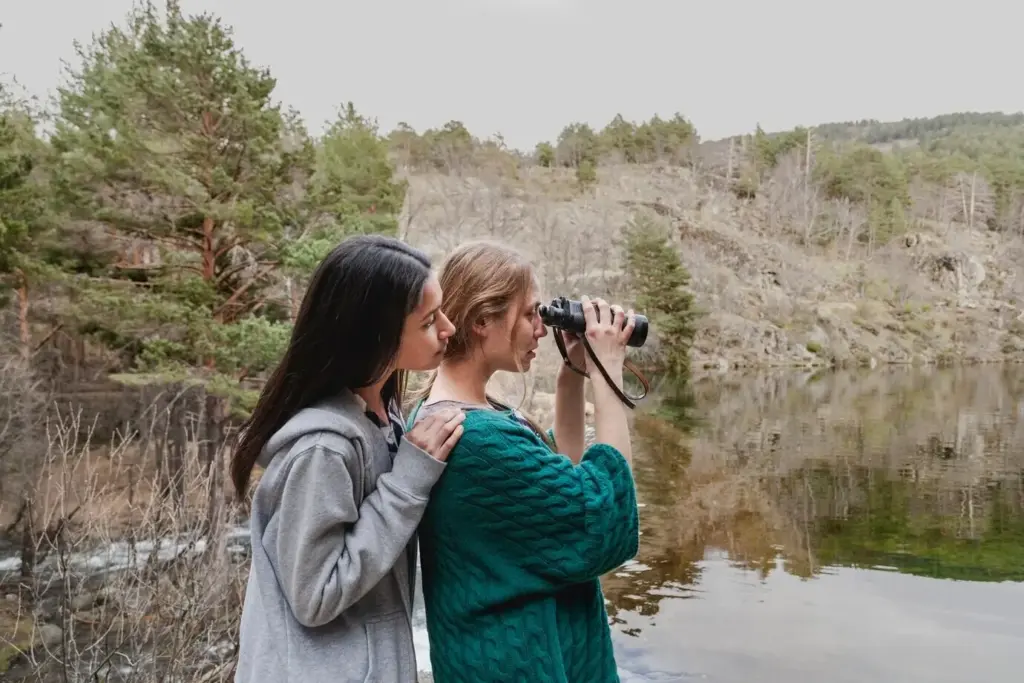
Start with just three common voices and one contrast, reinforcing them with repetition and gentle humor. Short listening intervals, followed by tactile recap on a raised-line map or textured rope, help memories stick. Progress is celebrated in moments, not checklists, keeping attention playful and energy steady.

Co‑Creating With Blind and Low‑Vision Birders

Open Invitation Labs

Host small, stipend-supported walks where participants set the pace, choose stops, and critique language in real time. Record learnings ethically, then iterate quickly. The process builds trust and surfaces delightfully simple ideas you might miss alone, like pausing near wooden rails that resonate softly when wrens chatter.

The Language We Carry

Host small, stipend-supported walks where participants set the pace, choose stops, and critique language in real time. Record learnings ethically, then iterate quickly. The process builds trust and surfaces delightfully simple ideas you might miss alone, like pausing near wooden rails that resonate softly when wrens chatter.

Trust, Consent, and Care

Host small, stipend-supported walks where participants set the pace, choose stops, and critique language in real time. Record learnings ethically, then iterate quickly. The process builds trust and surfaces delightfully simple ideas you might miss alone, like pausing near wooden rails that resonate softly when wrens chatter.

Wayfinding That Listens Back
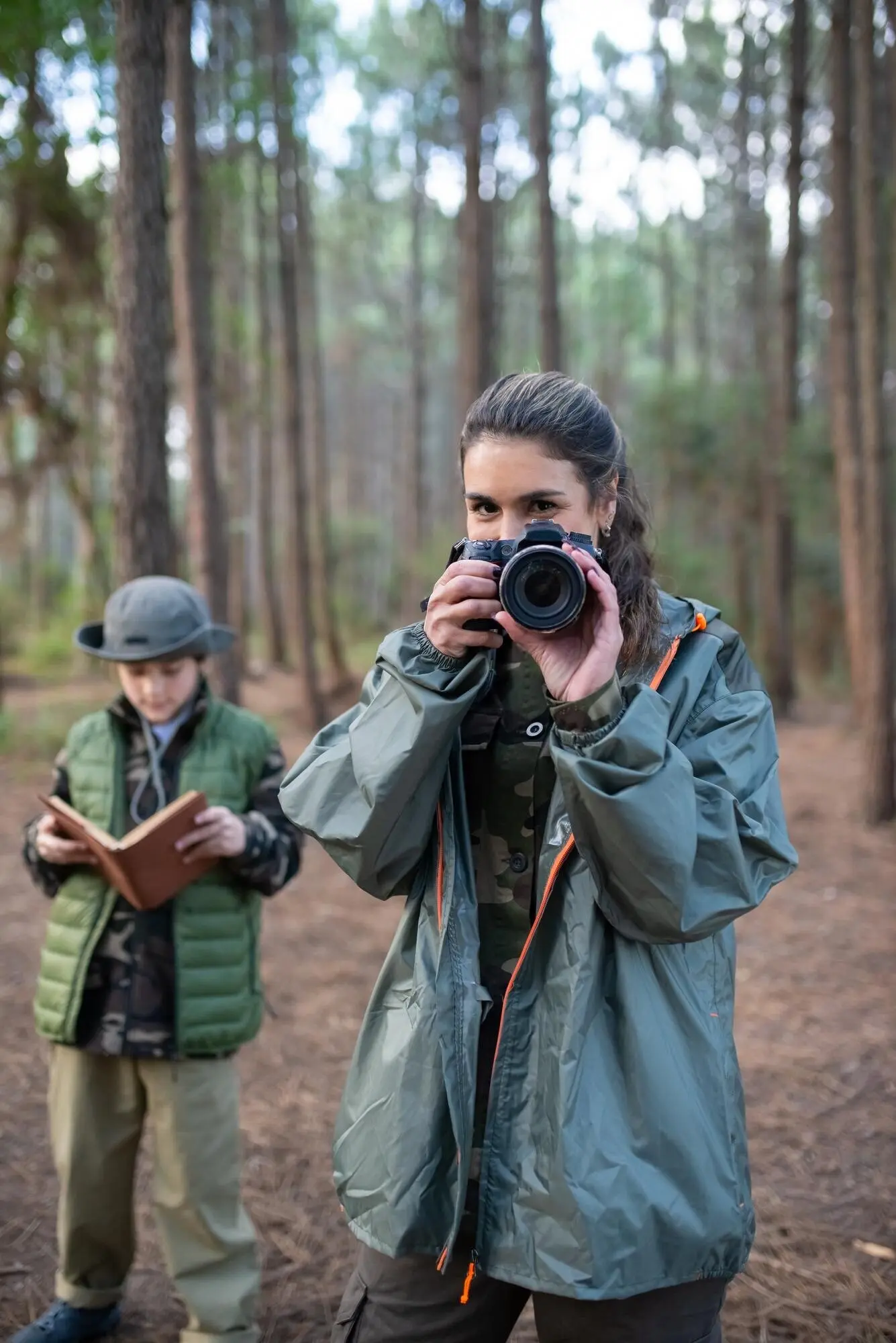
Orientation combines ears, hands, and memory. Build routes with predictable surfaces, rail cues, and minimal cross-traffic so people can attend to birds rather than hazard avoidance. Add tactile previews and concise verbal frames. When path design removes friction, curiosity has room to roam and linger with delicate notes.

Tools and Techniques That Amplify Without Dominating

Technology should be optional, kind, and easily shared. Directional microphones, parabolas, and pocket recorders can clarify faint calls, but facilitation matters more than gear. Offer bone-conduction headsets that keep ears open to surroundings, and teach etiquette around volume, sharing, and power so moments stay communal, safe, and human.

Guiding, Pacing, and Storycraft

Facilitation shapes experience more than equipment. A calm, spacious pace; concise cues; and well-timed silences encourage attention to bloom. Frame goals around wonder rather than lists. Invite questions, make room for laughter, and acknowledge uncertainty, modeling a culture where discovery belongs to everyone, not experts alone.

Pre-Briefs That Reduce Anxiety

Begin with names, route overview, restroom locations, and what to do if separated. Offer sample sounds before moving, demonstrate safe arm-link techniques, and explain choices for engagement. When expectations are explicit, participants can invest attention in listening, connection, and delight instead of managing ambiguity or worrying about pace.

Descriptive Listening, Not Just Identification

Balance names with textures, shapes, and rhythms: “a dry rattle like paper shaken,” “a sweet descending glass bead,” “a two-note whistle from shoulder height.” Description builds memory paths that survive beyond labels, empowering everyone to notice, compare, and return with confidence even when exact species remain unresolved.

Group Dynamics and Role Rotation

Invite rotating roles—navigator, recorder, storyteller, sound spotter—so participation feels shared. Encourage children and adults to pair up, blending sharp ears with patient note-taking. Rotate leadership to foreground varied strengths, reduce fatigue, and cultivate a sense of belonging where every contribution is visible, valued, and woven into the day.

Comfort, Ethics, and Lasting Impact

Inclusion thrives where bodies feel safe. Plan for shade, seating, warm layers, and clear exit options. Respect quiet zones, weather shifts, and wildlife needs. Evaluate through stories and practical feedback, then share improvements, recordings, and gratitude, inviting participants to return as collaborators who shape future listening adventures together.
Murafuxapuriropupixa
Privacy Overview

This website uses cookies so that we can provide you with the best user experience possible. Cookie information is stored in your browser and performs functions such as recognising you when you return to our website and helping our team to understand which sections of the website you find most interesting and useful.