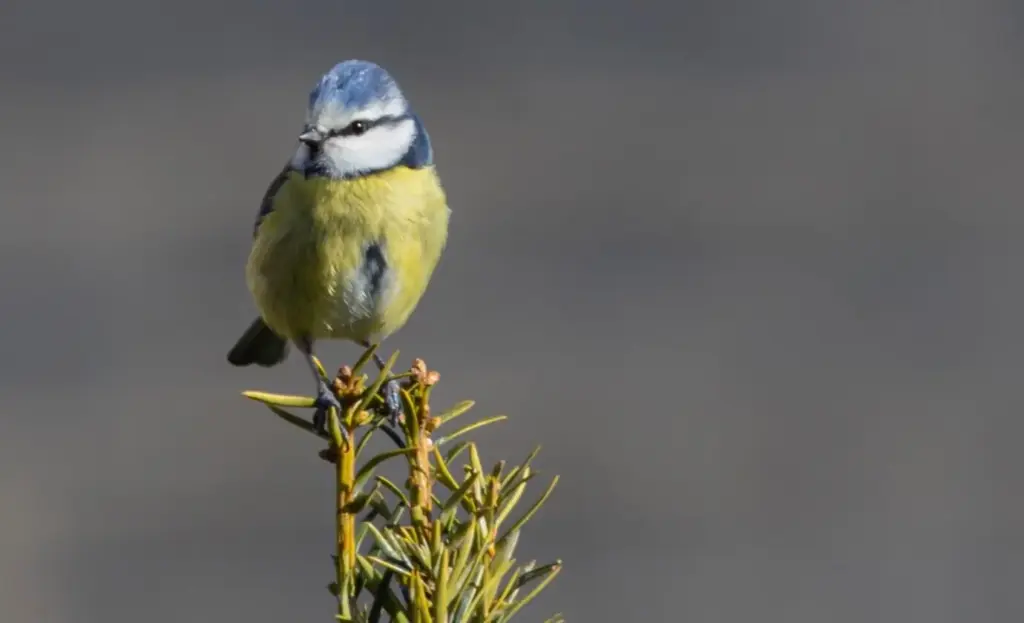

Ridges funnel gusts, reeds whistle, valleys pool quiet. Study maps, check wind layers, and observe flags of leaves before committing to a setup. With practice, you will locate sweet spots where turbulence softens behind hedges, letting faint chip notes emerge, and your parabolic stays steady instead of becoming a stubborn sail.
Playback can stress birds, attract predators, or alter behavior. Use it, if ever, with restraint, never near nests, and never for sensitive species. We outline alternatives: patient waiting, quiet repositioning, and note-taking for later return. Ethical decisions today build trust tomorrow, inviting richer encounters and better recordings without compromising breeding success.
Know land ownership, trail rules, and seasonal closures before hiking in with conspicuous gear. Bring a buddy, carry a map, and pack first-aid. We share a story where a courteous conversation with a ranger turned potential conflict into collaboration, unlocking access to a quieter overlook that preserved an entire morning’s delicate chorus.
Share observations through platforms carefully, omitting nest coordinates and following local guidelines. Invite feedback about uncertain identifications, and explain your recording context clearly. Your honesty strengthens datasets, improves algorithms, and inspires others to adopt care. We include a checklist that balances openness with discretion, ensuring both learning and the birds’ safety remain paramount.

Start with clean time axes, choose consistent color maps, and practice identifying harmonics, overtones, and frequency sweeps. We compare typical patterns for thrushes, wrens, and finches, showing why slope and bandwidth matter. By the end, your eyes reinforce your ears, turning nebulous impressions into confident, documented judgments others can review and replicate.
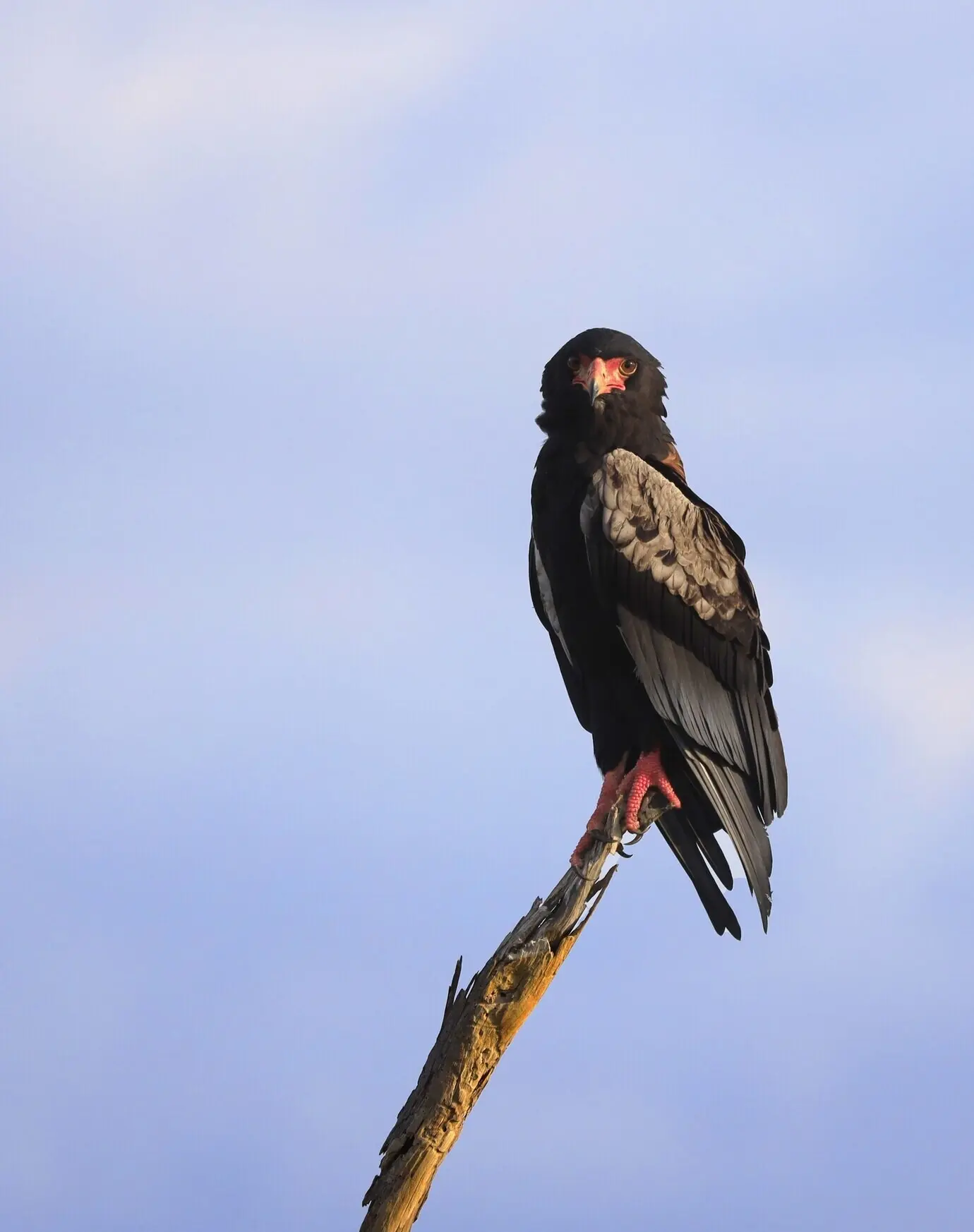
Strong metadata unlocks memory. Standardize species fields, call types, equipment, habitat, weather, and behavior. Add controlled vocabularies that reduce ambiguity and accelerate searches. An evening spent tagging saves hours later, especially when a puzzling trill returns in spring. Your future self—and collaborators—will thank you with faster insights and fewer misattributed clips.
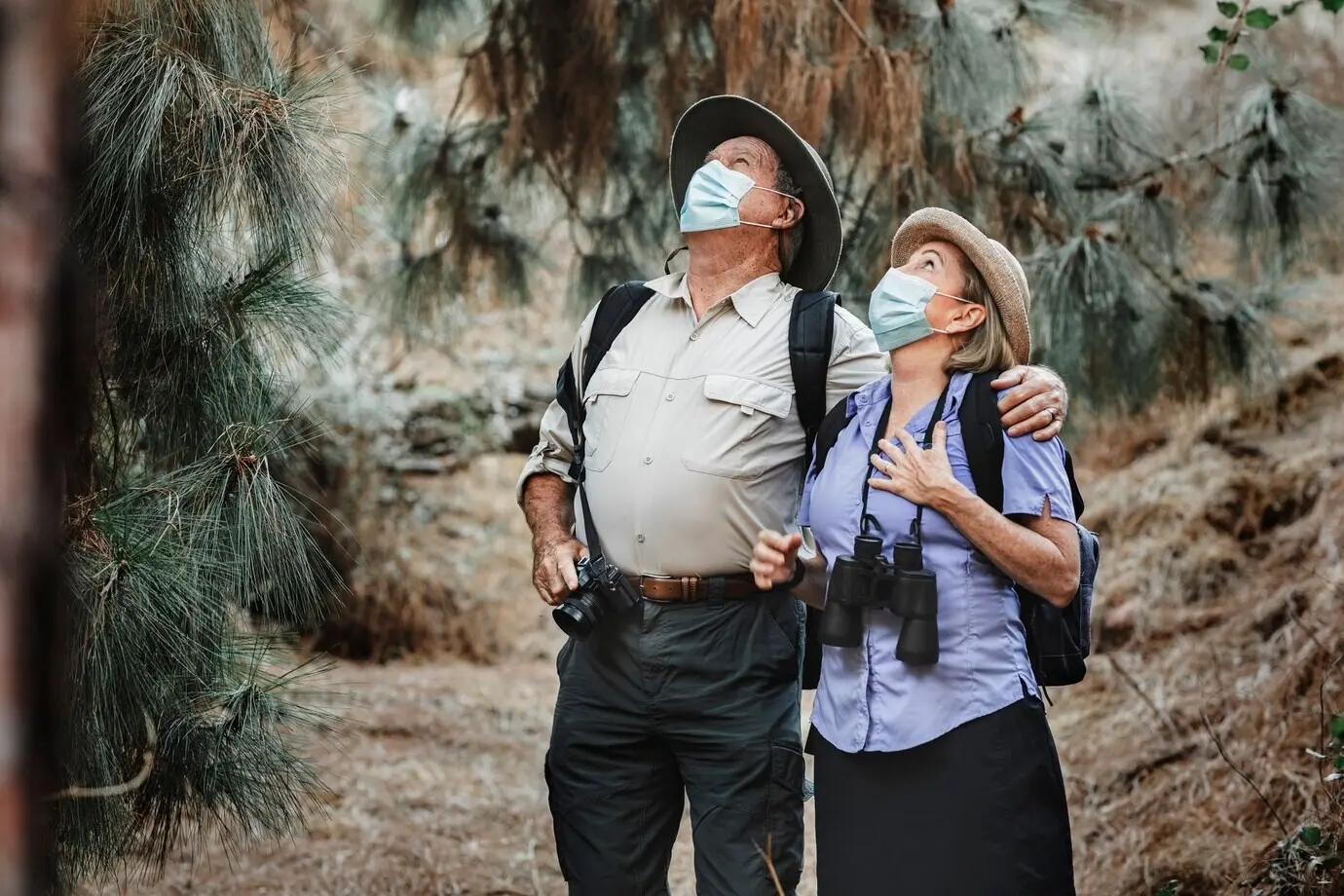
Embed coordinates, sync device clocks, and voice-slate filenames with location and purpose before rolling. Back at home, checksum your files and maintain version history for edits. We suggest a duplicate-on-import workflow that has rescued many sessions when a card failed unexpectedly, preserving irreplaceable dawn songs and the notes that explain them.
All Rights Reserved.