Listening Together: Mapping Birdsong and Silence in Our Neighborhoods
Join us as we explore community mapping of bird song hotspots and quiet zones, turning everyday walks into collaborative discovery. We’ll share simple methods, inspiring stories, and practical tools to chart where choruses swell, where hush protects nests, and how neighbors can steward healthier, more musical streets and parks. Add your voice, compare notes, and help build a living sound atlas that reveals what ears feel long before numbers do.
Why Soundscapes Matter More Than We Think

A Morning Walk That Changed a Block
One spring, a resident set out before sunrise with a notebook and thermos, determined to map a single block. By breakfast, they had counted thrushes, finches, and a woodpecker, plus an alley where traffic briefly paused. Sharing that sketch nudged neighbors to plant shrubs, request calmer delivery routes, and schedule a weekly listening walk that still gathers at first light.
Health, Stress, and the Music of Wings
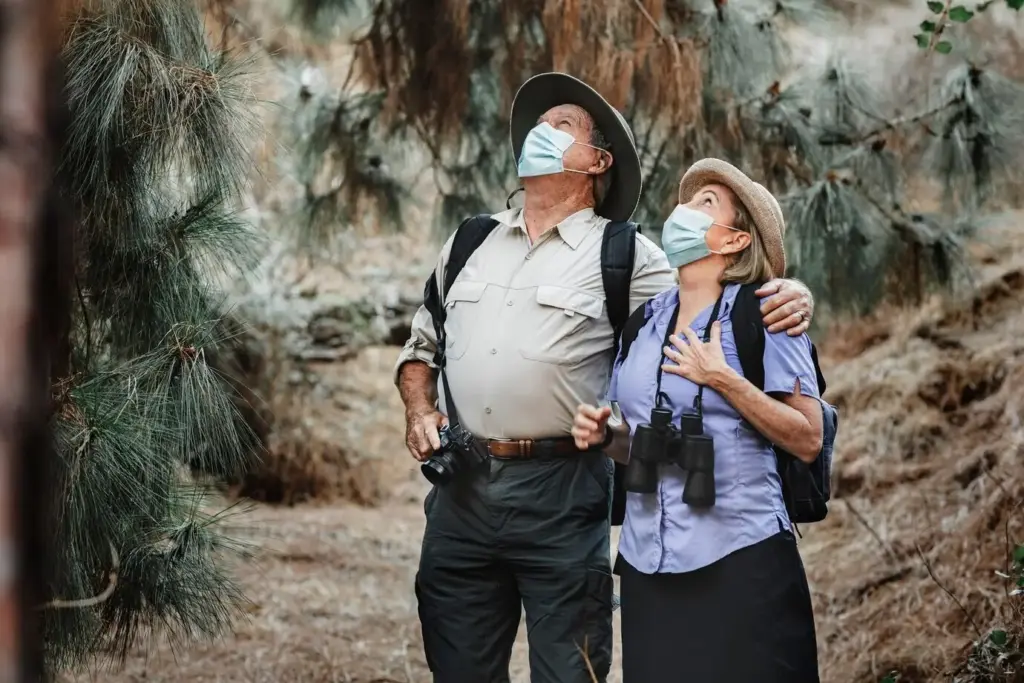
Studies increasingly point to restorative effects when human ears meet varied natural sounds, especially rich bird communities. Even short exposures—waiting at a bus stop under an active canopy—can soften anxiety and sharpen attention. When we map where those experiences cluster, we help doctors, teachers, and city staff link well-being programs to real places, not generalized slogans, bringing care outdoors and into daily routines.

Planning With Ears, Not Only Eyes
Street trees, building materials, and traffic patterns shape sound as surely as they shape shade. Listening invites planners to add quiet refuges near schools, libraries, and elder housing, and to route noise away from migration corridors. When residents bring layered observations, maps evolve from static pictures into guidance that honors lived experience and protects feathered neighbors through practical, achievable design choices.
Getting Started With Community Sound Mapping
Beginning is easier than it sounds. Start with shared curiosity, a calendar, and a few meeting spots. Decide when to listen, what to record, and how to welcome first-timers. Use simple tools—paper maps, pencils, smartphones, and open map platforms—to document choruses and hush with equal care. As trust grows, your group can refine methods, partner with local parks, and invite schools to co-lead seasonal surveys.
Define Questions and Boundaries
Clarify the big questions before the first outing. Are you highlighting the most musical corners, identifying safe resting pockets, or tracking noise creep along a popular trail? Draw boundaries that match walking time and mobility needs, then set a cadence—weekly, monthly, or seasonal—so comparisons actually mean something and enthusiasm has a place to land.
Pick Tools Everyone Can Use
Favor tools that work for grandparents, teenagers, and busy parents alike. A phone’s voice memo can capture ambience, while simple tally sheets keep attention on listening rather than screens. Free mapping platforms allow pin drops and color codes. If anyone prefers analog, collect sticky notes and sketch overlays, then digitize later so no observation is lost or devalued.


Field Methods for Trustworthy Listening
Reliable maps come from consistent habits. Agree on listening windows—dawn, late afternoon, or moonlit calm—and note weather, wind, and leaf-out. Standardize distance walked and minutes paused. Record obvious noise sources as carefully as the songs. Teach gentle fieldcraft: stay on paths, whisper notes, and let birds set the pace. With shared practices, personal experiences become comparable, and patterns grow sturdy enough to inform decisions.
From Notes to Maps: Turning Sound Into Insight
Raw notes are powerful only when organized. Create a simple schema—date, time, location, weather, species recognized, chorus intensity, quiet rating, noise sources, and comments. Enter data promptly while memory is fresh. Use open-source tools to generate heatmaps, kernel densities, and time sliders that reveal seasonal shifts. Most importantly, annotate with stories so maps speak both to hearts and to decision-makers.
Ethics, Consent, and Respect in Shared Sound
Listening together carries responsibilities. Avoid publishing exact nest locations or sensitive species clusters. Explain to participants how recordings will be stored, credited, and shared. Seek guidance from local tribes and knowledge holders about culturally significant places. Offer opt-out options for homes and businesses adjacent to routes. Respect accessibility, safety, and privacy at every step so joy never costs someone else peace.

Acting on the Map: Conservation, Advocacy, Joy
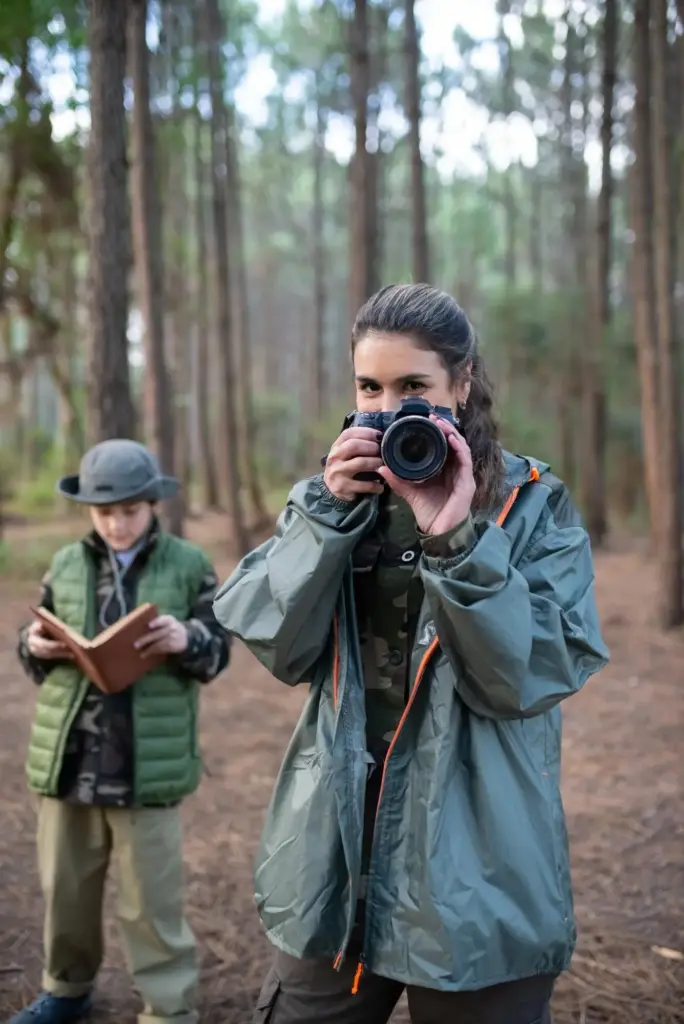
Maps matter when they spark action. Use findings to propose quiet hours for parks, encourage traffic calming near nesting hedges, and guide habitat plantings that amplify dawn choruses. Host neighborhood soundwalks, sunrise picnics, and youth-led listening clubs. Report progress publicly, celebrate seasonal milestones, and invite comments. Together, small steps reshape streets into places where wings, voices, and rest all belong.
All Rights Reserved.