Follow the Music of the Wild
Step into Soundscape Birding Trails, where ears lead and eyes follow. We will listen first, discovering birds, habitats, and stories by tracing songs, calls, and subtle ambient cues that guide our steps. Expect practical tips, lived experiences, and ways to record, share, and protect what you hear, while building confidence identifying species without chasing visuals. Bring curiosity, quiet attention, and a willingness to slow down; together we will let the landscape sing and reveal its hidden residents.
Why Listening Leads the Way
Listening reveals what sight often misses. Songs carry through foliage, across water, and around bends long before any silhouette appears, giving you distance, direction, and a sense of abundance without disturbing wildlife. You gain time to observe from respectful space, piecing together behavior from vocal exchanges and pauses. On calm mornings, the soundstage forms a map, letting you follow trails with purpose. This approach invites patience, deepens empathy, and turns every step into a mindful survey of presence, movement, and seasonal change.
Preparing for Quiet Adventures
A thoughtful plan supports immersive listening. Choose routes with varied habitats and minimal traffic, carry light gear that encourages stillness, and set intentions around timing, comfort, and safety. Pack only what helps you listen better: layers to stay warm while stationary, a notebook for quick sketches, and a device for discreet recording. Understanding local regulations and noise sources, like nearby roads or popular overlooks, lets you anticipate how sound will behave. Preparation makes space for quiet surprises, lingering moments, and ethical observation from respectful distances.
Choosing Trails by Habitat and Noise
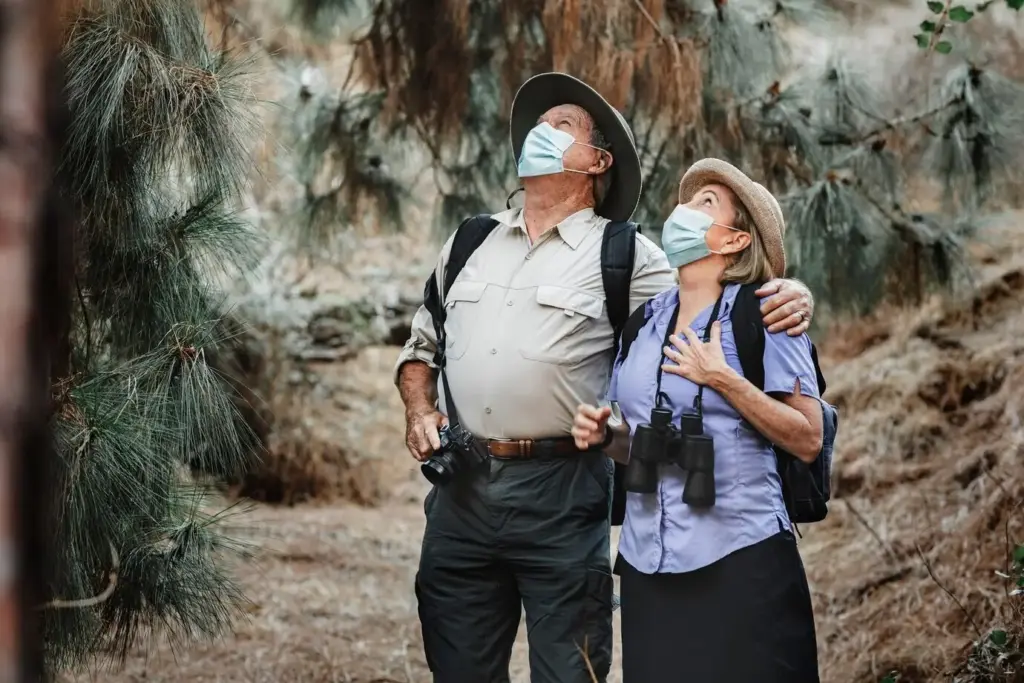
Seek trails that pass through multiple habitat types—riparian corridors, forest edges, meadows, and upland groves—so the sound palette changes naturally. Study maps for contour lines that funnel wind or amplify echoes, and check park advisories about construction, hunting seasons, or busy hours. Parking lots, waterfalls, and paved viewpoints can mask delicate calls; offset these with early starts and side paths. When in doubt, walk a loop twice at different times to compare soundscapes, noting how traffic, insects, and breezes reshape what you can hear.

Minimal Gear That Matters
You can begin with only your ears and a phone, yet a few lightweight tools elevate the experience. Comfortable over-ear headphones help discern faint notes; a small recorder with a windscreen reduces rumble; and a compact power bank keeps sessions going. A soft notebook supports quick mnemonics, while a hat brim shades eyes so listening stays central. Keep everything pocketable to avoid clutter and maintain agility. The most important tool remains your attention, tuned toward subtle repetitions, pauses, and the acoustic signatures of place.
Hearing the Landscape
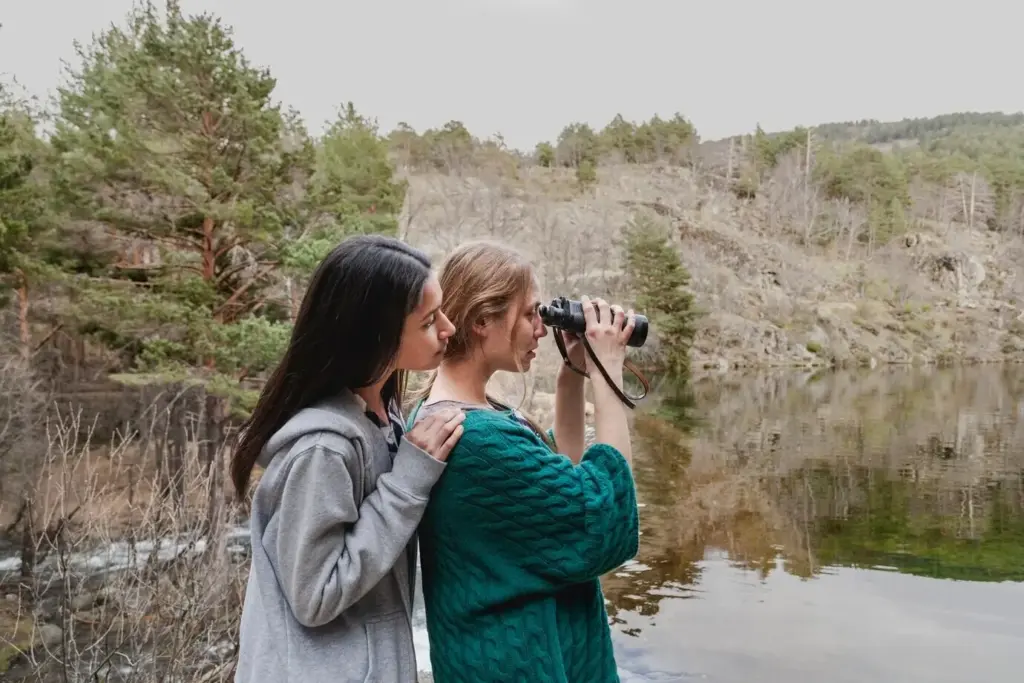
Every habitat shapes sound differently. Open grasslands reveal skylarks and meadowlarks above, while dense conifers soften high pitches and carry drumming more than thin trills. Water amplifies and reflects, creating illusions of distance. Understanding these acoustic patterns turns terrain into a living instrument you can read. By blending cues like echo, absorption, and frequency masking, you anticipate where birds hold territories, feed, or rest. Listening becomes a wayfinding tool, helping you place each voice within the physical contours and microclimates that define a trail.
Patterns, Phrases, and Memory Hooks
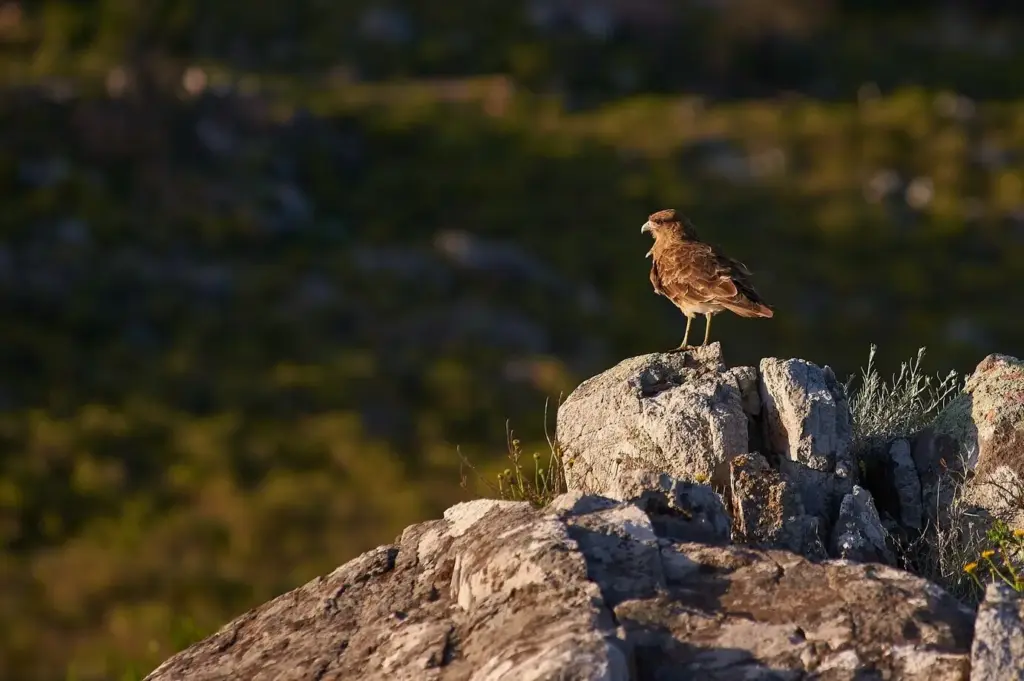
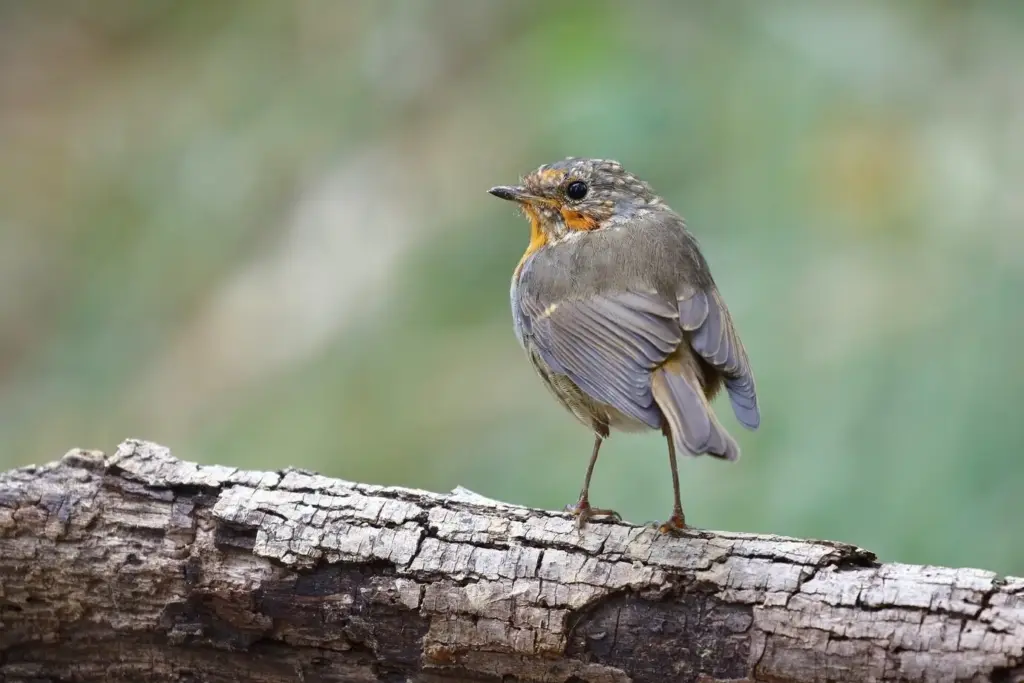
Phrases help: think “teacher-teacher” for an insistent titmouse, “tea-kettle” for a wren, or spiraling glass beads for a veery. Beyond words, feel the rhythm—does it rush, pause, tumble, or repeat cleanly? Hear timbre—bright, buzzy, flute-like, or metallic. Pair each voice with location, weather, and time of day to deepen recall. Record tiny clips and replay them during commutes. Over time, these hooks evolve from playful comparisons into trustworthy anchors that let you name singers confidently without needing a confirming glimpse.

Calls, Songs, and Night Flight Notes
Songs broadcast territory and courtship, while calls manage everyday life: contact, alarm, flock cohesion, and feeding. Learning calls boosts detection when songs quiet, especially in late summer or winter. At night, migration brings brief, high flight calls—tiny signatures passing overhead in the dark. Soft headphones and patient listening near open fields or ridgelines can reveal remarkable traffic. Log timing, direction, and weather alongside samples. This layered knowledge empowers you to understand behavior, not just names, enriching every step with context and seasonal meaning.
Respectful Listening
Quiet presence protects wildlife and preserves the magic that drew you to these paths. Stay on trails, minimize playback, and favor observation over interaction. Let natural behavior unfold without crowding or coaxing. Share locations thoughtfully, especially for sensitive species or nesting areas. Replace chasing photographs with careful audio notes that keep distance. Leave what you find and mind fellow hikers who also seek calm. Practiced consideration ensures birds continue singing unbothered, future listeners encounter undisturbed soundscapes, and communities trust that careful ears belong on cherished trails.
Playback, Proximity, and Patience
Artificial playback can stress birds, drawing them from nests or feeding. If you use it at all, follow local rules, keep volume low, limit duration, and step back immediately when a bird appears agitated. Patience often yields better results: settle quietly, listen between phrases, and let curiosity guide, not demands. Maintain respectful distance, especially during breeding season. The goal is understanding, not persuasion. When birds ignore you, that is good news—your presence is gentle, and the trail remains a place where natural conversations continue unaltered.
Sharing Without Harming
When posting recordings or notes, consider the implications of precise locations. Sensitive species, roost sites, and rare nest territories deserve privacy. Use generalized coordinates or delay sharing until the season passes. Credit collaborators, include context like weather and time, and clearly label uncertain identifications. Encourage constructive feedback and respond kindly. Ethical sharing builds trust, teaches newcomers, and safeguards wildlife from undue attention. Your archive becomes both a personal memory and a community resource, guiding others toward mindful listening rather than trophy-seeking or intrusive pursuits.
Group Etiquette on Narrow Paths
Groups can amplify joy while protecting peace. Keep voices low, step aside for faster hikers, and agree on subtle signals—a raised hand to pause, a gentle point for direction, or a silent countdown before recording. Rotate the front position so everyone experiences different perspectives. Avoid clustering near nests or bottlenecks. Debrief at trailheads, not hotspots, to reduce noise where birds feed or rest. This cooperative rhythm respects wildlife and people, making shared outings welcoming for beginners and rewarding for experienced listeners who model thoughtful leadership.
Community, Archives, and Discovery
Listening grows richer when shared. Contribute recordings to open archives, join local walks, and compare seasonal notes across regions. Collaborative efforts reveal migration timing, habitat changes, and the value of quiet spaces for both birds and people. Your personal collection becomes a time capsule, capturing family outings, weather quirks, and place-based stories. Invite others to submit short clips, annotate spectrograms, and challenge each other with mystery sounds. Together, we build a living library that inspires stewardship, celebrates wonder, and invites new listeners to begin.

All Rights Reserved.